

Historic Origins of Head Shaving
for Head Lice Prevention
What has Head Shaving for Head Lice Lead to Through History to Today?
for Head Lice Prevention
Historic Origins of Head Shaving for Head Lice Prevention
What has Head Shaving for Head Lice Lead to Through History to Today?
Historically, head shaving for lice prevention and control dates back to ancient Egypt around 1550 B.C. Priests were encouraged to shave their heads to prevent lice from having a place to live [1]. Similarly, by 450 B.C., Egyptians recommended shaving the entire body to eradicate lice [2]. This method was effective because lice need hair to attach their eggs (nits) and to move around. Without hair, lice have a much harder time surviving and reproducing. Besides the obvious benefit of lice control, both men and women in ancient Egypt valued smooth, hairless bodies as a sign of youth and vigor; hair removal was seen as a sign of cleanliness and social status.
Historical Timeline of Societies Using Head Shaving for Lice Prevention
Classes of People Who Practiced Head and Body Shaving

Photo Credit: Dafna Gazit, Israel Antiquities Authority
The oldest known sentence written in the first alphabet was discovered on an ancient ivory comb, dated to about 3,700 years ago.
Earliest Methods of Shaving Heads and Bodies
Evolution of Shaving Methods
Effectiveness of Shaving for Lice Control
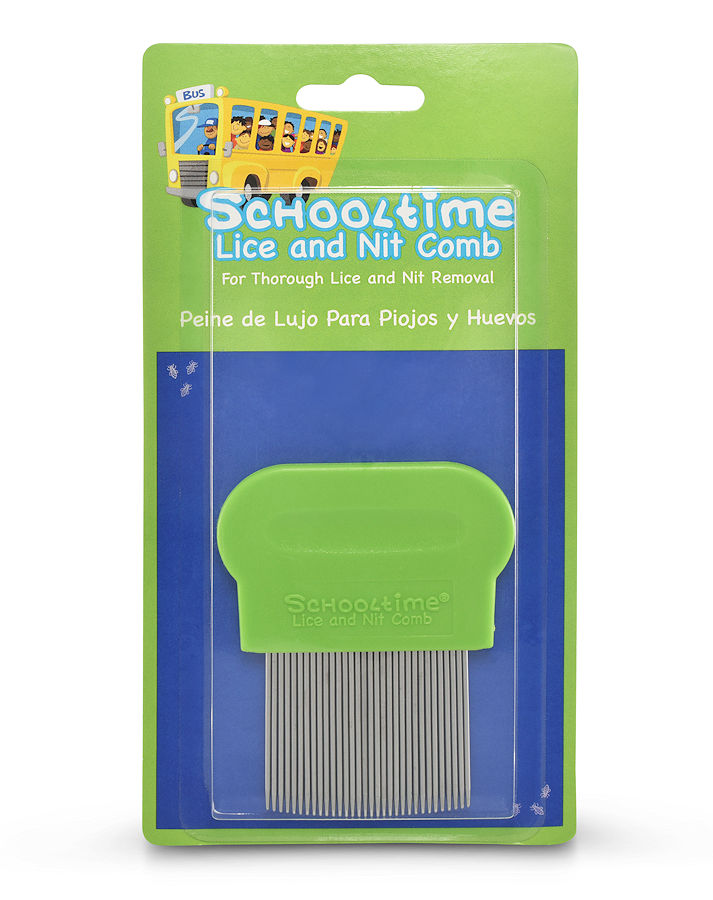
Shaving the head or cutting hair very short can be effective in controlling lice infestations because it removes the environment where lice thrive [4]. However, it is not always necessary and can have psychological impacts, especially on children [11]. Modern treatments often involve the use of medicated shampoos and fine-toothed combs [10].
The Role of Barbers in Ancient Egypt
Head and body lice prevention played a significant role in the origin and evolution of barbering in ancient Egypt. In ancient Egypt, barbers held a highly esteemed position in society. Their role was multifaceted and extended beyond just cutting hair. Here are some key aspects of their responsibilities and significance:
Roles and Responsibilities
Head Lice Prevention
Body Lice Prevention, Body Shaving, Body Waxing
Evolution of Barbering
Cultural Significance
Barbers in ancient Egypt were more than just groomers; they were integral to the social and cultural fabric of their time. Their skills and services were highly valued, and they played a significant role in the daily lives and rituals of the ancient Egyptians. The prevention of head and body lice was a key factor in the development of barbering practices in ancient Egypt. Barbers played a crucial role in maintaining hygiene and cleanliness, especially for priests and high-ranking officials.


Photo Credit: Canva
Head Shaving for Lice Prevention Contributes to Earliest Known Use of Wigs in Egypt.
Resources

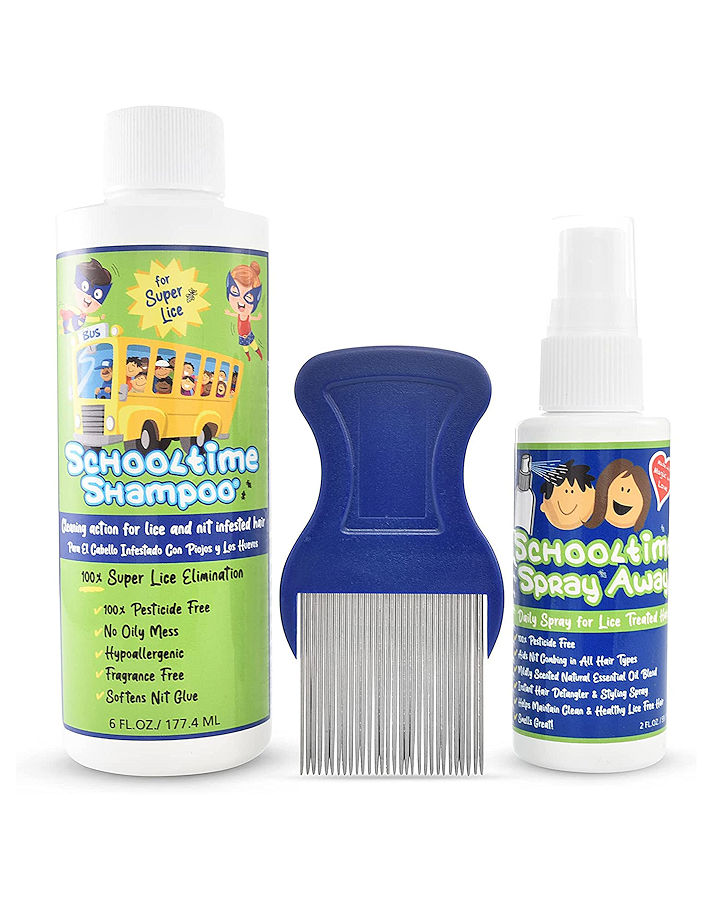
Schooltime® 3-Piece
Lice Elimination Travel Kit
Don’t leave home without it!
Kit contains a 6 oz Bottle of Schooltime Shampoo, a 2 oz Bottle of Spray Away Instant Hair De-Tangler, and the Schooltime Stainless Steel Comb. The Hair detangler for easy combouts, anti frizz, or daily leave in styling spray to help maintain lice free hair and scalp.



What Schooltime® Customers Say

J. Mayfield
“I was tired of using harsh lice shampoos on my daughter, especially since they did not work. Schooltime Shampoo® got rid of the lice and was gentle to use.”

N. Paul
“My three year old daughter recently changed daycares, and one of the first things she came home with was headlice. I had the opportunity to use your product and truly believe that it is wonderful.”
T. Gullett
“I was very impressed with the shampoo. It contained no harmful chemicals, yet it rid two of my student’s hair of lice and left the hair soft, shiny and healthy looking.”
Schooltime® Products for Head Lice Elimination & Prevention

Schooltime® Shampoo 12oz.
Complete Lice Elimination Kit
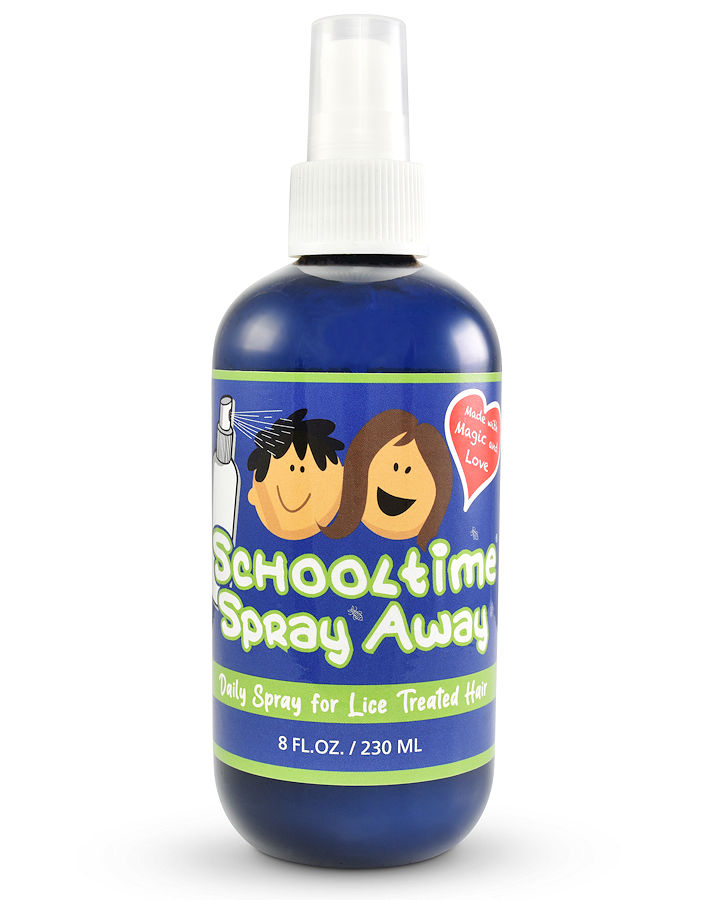
Schooltime® Spray Away